A hot air balloon safari over the Masai Mara looks compelling on a brochure. On the ground, whether it delivers genuine depth or just an expensive tick depends on timing, operator quality, and whether the experience actually matches what you came to see. Done well, it adds something a game drive genuinely cannot. Done carelessly, it feels like a production.
This is a practical guide to how it works, what the prices look like in 2026, the real difference between shared and private flights, and what to do to make it worthwhile.
What a Hot Air Balloon Safari in the Masai Mara Actually Is
A balloon safari is a sunrise flight over the Masai Mara National Reserve and surrounding conservancies. You lift off just before dawn — typically around 06:00 — and spend 45 to 60 minutes drifting silently above the savannah as the ecosystem wakes up below you.
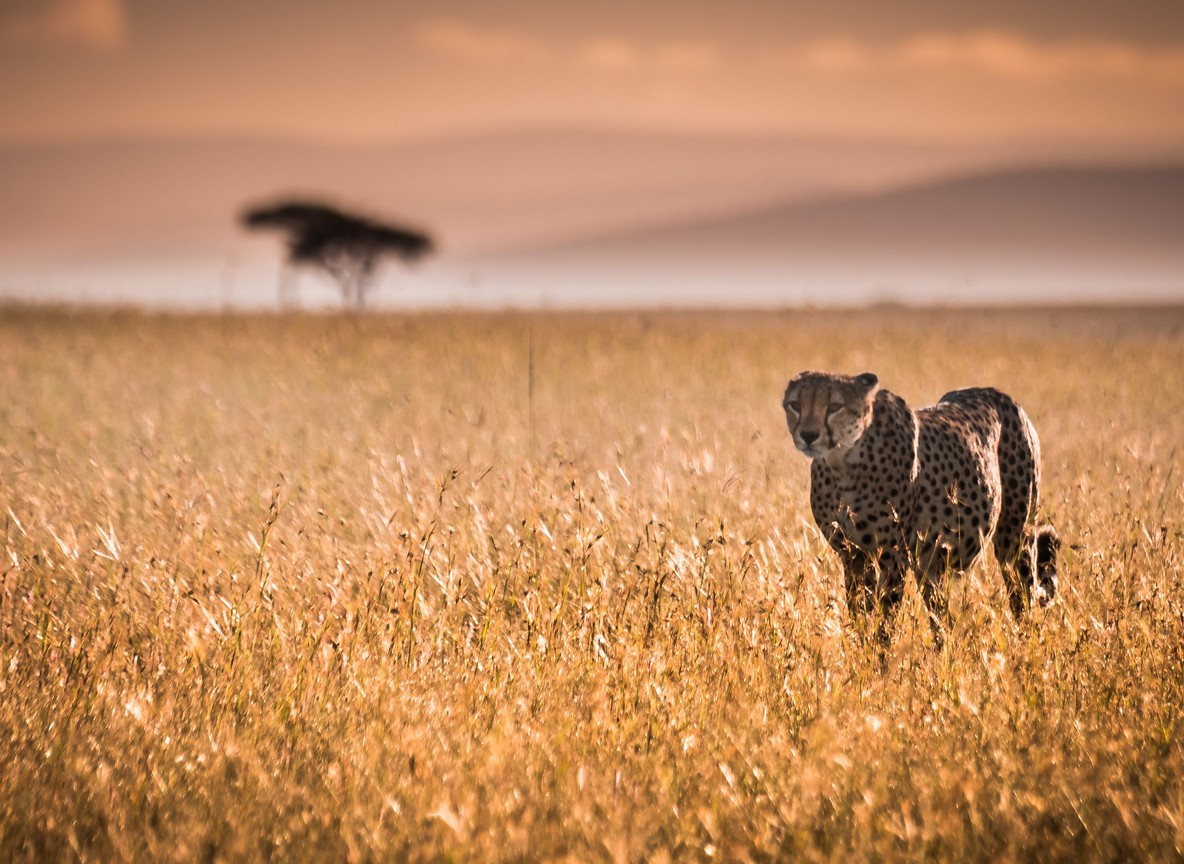
From balloon altitude (300 to 1,000 feet depending on conditions and pilot judgment), the wildlife perspective is completely different from any vehicle drive. Elephants move in formation along riverine corridors. Giraffes browse acacia canopy at eye level. A cheetah stretches on a termite mound, unaware of your silent passage overhead. The Mara River glints below, and on good days you can see hippo pools, crocodile-lined banks, and the tracks of the previous night’s lion movement printed into the earth.
Every balloon flight ends with a champagne bush breakfast served in the field — white-clothed tables set up on the open plains, with eggs, pastries, fresh fruit, and Kenyan coffee. This closing ritual is a genuine part of the experience, not just a logistical add-on.
Hot Air Balloon Safari Prices for 2026
Balloon safari prices in Masai Mara range from USD 450 to USD 700 or more per person, depending on operator, season, and whether you book shared or private.
Shared Balloon Safari Prices
| Operator Type | Standard Season | Peak Season (Jul to Oct) | Child Rate |
|---|---|---|---|
| Budget operators and booking platforms | USD 450 to 470 | USD 470 to 550 | Varies (7+ years) |
| Mid-range operators | USD 490 to 530 | USD 540 to 580 | USD 330 to 380 (8 to 15 years) |
| Luxury lodge-linked (e.g. Angama Mara) | USD 530 | USD 580 | USD 330 (8 to 15 years) |
| Premium operators | USD 600 to 650 | USD 700+ | On request |
Shared balloon baskets carry between 12 and 16 passengers. This is the most common format and what the majority of travellers book. The shared flight price almost always includes transfers from your camp, the champagne bush breakfast, and a flight certificate.
One practical note: many lodges and camps in the Mara mark up balloon safari prices by USD 50 to 100 per person above the operator’s direct rate. Booking through a safari operator rather than through your camp typically secures the same flight with the same operator at the base price.
Private Balloon Safari Prices
A private balloon safari costs considerably more but delivers a qualitatively different experience. Private baskets carry 2 to 8 passengers and are typically available in two configurations:
- Semi-private (4 to 8 guests): USD 700 to 900 per person
- Exclusive private charter (your group only): USD 3,500 to 5,500 total, regardless of group size
With a private flight, the pilot adjusts altitude specifically for your group — skimming treetops for close wildlife views, ascending for panoramic shots of the full ecosystem at dawn. Photography positions are yours alone. Conversations with the pilot are uninterrupted. For photographers, honeymooning couples, or families with specific requirements, private balloon safaris are frequently described as the single best experience of an entire Kenya trip.
Shared vs Private: Which Is Right for You
| Factor | Shared Balloon Safari | Private Balloon Safari |
|---|---|---|
| Price | USD 450 to 700 per person | USD 700 to 900+ per person, or flat charter |
| Group size | 12 to 16 passengers | 2 to 8 passengers, or exclusive |
| Photography flexibility | Limited | Full — pilot adjusts for shots |
| Conversation | Social group dynamic | Intimate and personal |
| Best for | Solo travellers, budget-conscious couples, first-timers | Photographers, honeymooners, families |
| Peak season availability | Good year-round | Book 6 to 12 months ahead in peak season |
| Champagne bush breakfast | Included (same quality) | Included (same or upgraded) |
Both formats deliver the core experience: the silent flight, the perspective from above, the bush breakfast, and the certificate. The difference is in intimacy, control, and what the pilot can do specifically for your group.
Best Timing for a Balloon Safari in the Masai Mara
Balloon safaris operate year-round, but timing significantly affects what you see and what you pay.
July to October: Great Migration Season
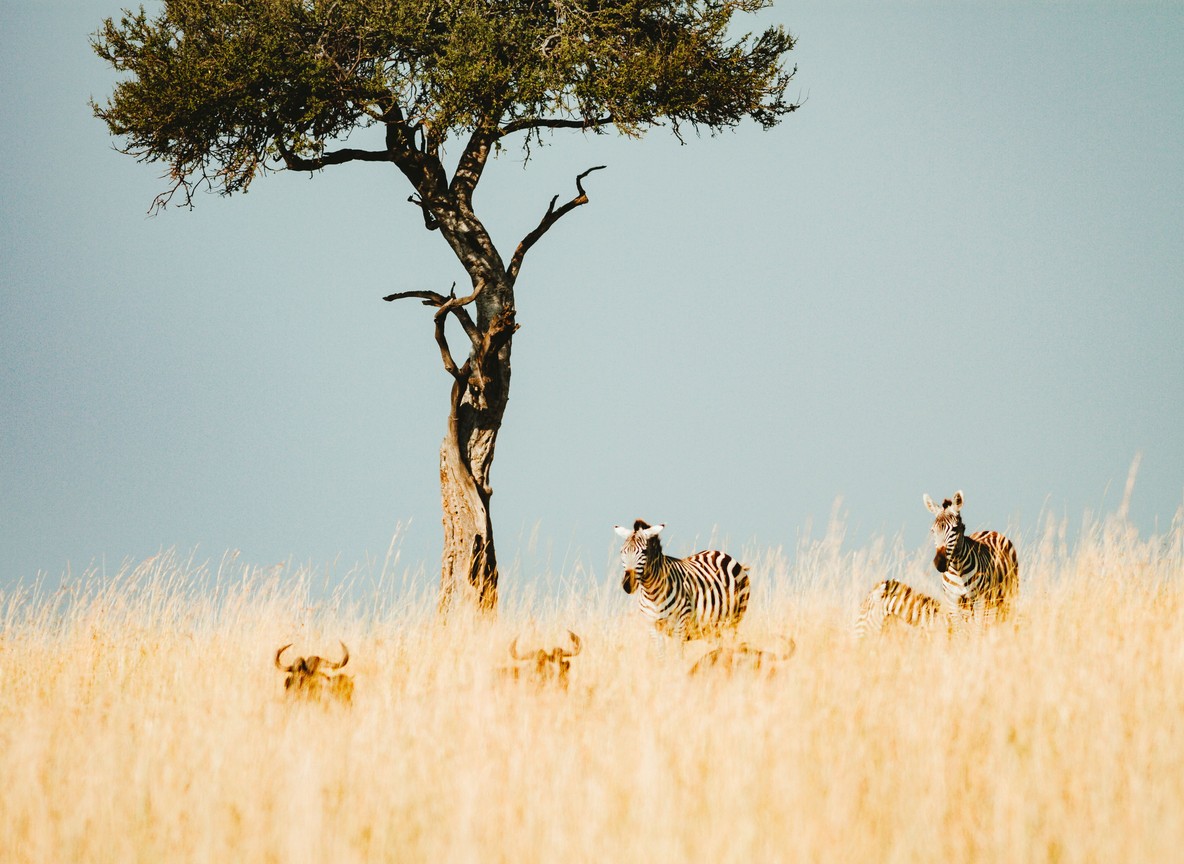
Peak demand for balloon flights. The Great Migration brings millions of wildebeest and zebra across the Mara River, and from balloon altitude you can see herds stretching to the horizon in ways no drive can show. Prices are highest, and flights book months in advance. If the migration from above is the goal, book at least six months ahead.
January to March: Short Dry Season
Excellent visibility, fewer passengers competing for launch slots, and prices at their most competitive. The Mara’s resident wildlife population — big cats, elephants, buffalo — is fully present year-round, and morning light quality in this season is outstanding for photography.
April to June: Long Rains Season
Flights operate but are subject to weather cancellations. Prices are lowest, and the Mara is visually lush and green. Operators issue full refunds on weather cancellations, but this season requires genuine flexibility in your plans.
November to December: Short Rains
The wildebeest return south after October. Demand drops, prices decrease, and the landscape holds the freshness of post-rain conditions. An underrated window for travellers who want quality without peak-season pricing.
What the Price Includes (and What It Does Not)
Always included:
- Pre-dawn camp transfer to the launch site
- Safety briefing and balloon inflation viewing
- 45 to 60 minute flight with a CAA-licensed pilot
- Champagne bush breakfast in the field after landing
- Flight certificate
Not always included — confirm before booking:
- Masai Mara National Reserve park entry fees (can add USD 80 to 100 per person per day)
- Tips for balloon crew and ground staff (standard is USD 10 to 20 per person)
- Travel insurance covering balloon activities
- Accommodation before or after the flight
Surprises on the morning of a balloon flight are avoidable. Get the full inclusion list in writing before you confirm the booking.
Practical Tips for the Experience
Dress in layers. Pre-dawn temperatures in the Mara can drop to 12 to 15 degrees Celsius even in peak season, and balloon altitude adds wind chill. A light jacket you can remove after landing is the right call.
Bring a camera with a wide-angle lens. The Mara from above rewards wide compositions — herds, plains, river bends. A telephoto is useful for individual animal detail during lower passes.
Do not eat heavily before the flight. The movement is gentle, but some passengers experience light motion sensitivity at altitude. The champagne bush breakfast after landing is substantial enough that saving your appetite for it is worth it.
Book early for peak season. July and August balloon slots fill six to nine months in advance. If your Kenya dates fall in the migration window, the balloon flight booking should come before almost everything else.
Weight limits apply. Most balloon baskets have a maximum passenger weight of 100 to 110 kg per person. Confirm this when booking — it is a straightforward practical question, not a delicate one.
Explorer Notes
A few things that tend to be undersold in descriptions of the balloon safari experience:
The launch and inflation is part of the experience. Arriving at the launch site in pre-dawn darkness and watching the balloon fill with propane-lit flame is genuinely atmospheric. Leave camp with enough time to see this properly rather than rushing to just make the departure.
The bush breakfast location varies. Most landings are on the open plains, but wind determines exactly where. The best landings put the breakfast table in a particularly scenic spot; others are less dramatic. It is worth asking your balloon operator about their typical landing zones.
Altitude matters for wildlife. Lower passes (100 to 300 feet) give you close animal encounters; higher altitude (500 to 1,000 feet) gives you the sweeping panoramic views. On a private flight, you can request both. On a shared flight, the pilot makes those calls for the group.
Cloud conditions affect the mountain view. If you are flying near Amboseli-adjacent areas, Kilimanjaro can occasionally be visible at dawn. In the Mara itself, the sunrise colour over the plains is the visual reward, not mountain views.
Conclusion
A hot air balloon safari in the Masai Mara works because it shows you something a ground-level drive cannot: scale. The width of the migration, the length of a river corridor, the spread of an elephant family across a swamp — these things only become visible from above. It is a genuinely different perspective on an ecosystem you may have spent several days exploring at ground level.
Whether you choose shared or private depends on budget, group size, and how much control over the experience matters to you. Both produce a flight worth having.
Next Steps
For timing your balloon flight within a broader Masai Mara itinerary, see the Masai Mara month-by-month planning guide and the migration timing and crossing guide on Touring Insights.
For coordinated balloon safari booking combined with camp reservations across the Mara ecosystem, trunktrailssafaris.com is a practical reference.